7 Steps to Design a Machinery & Equipment (M&E) Website
Designing a Machinery & Equipment (M&E) website requires more than an attractive layout.
Industrial buyers focus on details and value accuracy. They also need quick access to technical information before making a purchase.
Thus, a successful M&E website needs good design, strong SEO, eye-catching visuals, and clear ways to generate leads.
Here’s how to build a website that promotes your machinery and equipment (M&E) effectively.
Blueprint for a High-Performing Machinery & Equipment (M&E) Website
1. Master Technical SEO for Industrial Markets
To begin with, technical SEO is the backbone of any industrial website.
For M&E companies, your website needs to load quickly. It should be easy for search engines to explore. Also, use structured data to highlight key product details.
Using XML sitemaps, canonical URLs, and schema markup helps search engines make sense of your machinery. This can improve how visible you are in searches for industrial equipment.
Focus on more than just the technical setup. For instance, improve metadata, headings, and URL structures. They should align with specific search queries in your industry.
Moreover, using specific product names, part numbers, and application terms can help bring in the right traffic.
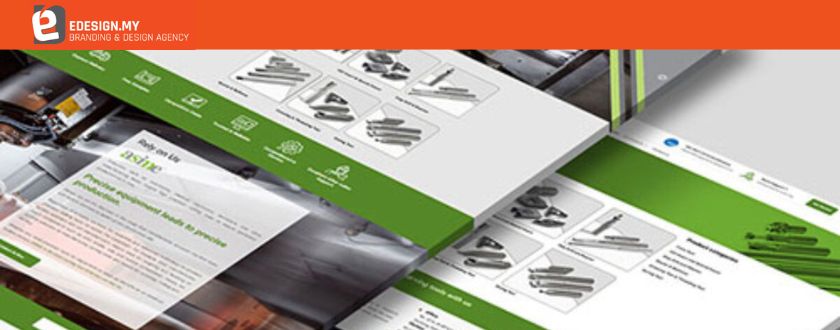
2. Showcase Your Equipment with High-Impact Visuals
Industrial buyers rely on visuals to evaluate machinery and equipment.
High-quality images, interactive galleries, 360-degree views, and videos illustrate equipment in action. They convey features and functions more clearly than text can.
In addition, ensure that each visual is paired with clear captions, specifications, and downloadable data sheets.
As a result, this approach helps prospects make better decisions and makes the buying process easier.
Visual storytelling matters a lot for complex or large machinery. When you see the equipment in context, it builds trust and credibility.
3. Optimize for High-Value Commercial Keywords
In the industrial sector, target keywords that show a strong intention to buy.
Phrases such as “buy CNC machine,” “heavy-duty conveyor supplier,” and “industrial pump pricing” draw in buyers who are ready to make a decision.
Conduct thorough keyword research to identify high-value terms in your niche. Use these wisely in page titles, meta descriptions, headings, and content. Also, keep the tone natural and informative.
Using commercial keywords helps your website draw in traffic. As a result, this traffic is more likely to become leads and sales.
4. Structure Clear, Lead-Generating Service Pages
Each service or product page needs a clear structure. This helps show value and encourages action.
Start with a brief overview. Then, list the specifications, benefits, and applications. Finally, add extra resources like data sheets or videos.
Add clear calls to action (CTAs) like “Get a Quote,” “Book a Demo,” or “Download the Specification Sheet.”
Keep things tidy. Also, make navigation simple so users can easily find related products or services.
A logical structure, clear headings, and short text ensure a smooth browsing experience. This matters for industrial buyers who care about efficiency.
5. Integrate Powerful Lead Capture Tools
Capturing leads efficiently is critical for converting website traffic into revenue.
Forms, chatbots, and tools such as whitepapers and manuals help collect contact info. Ensure that forms are simple, quick to complete, and aligned with your sales process.
Consider progressive profiling. It lets returning visitors share more details over time. Thus, this helps your sales team customize follow-ups for each prospect.
Furthermore, integrating CRM systems can further streamline lead management and improve conversion rates.
6. Build Authority with Robust Case Studies
Case studies provide proof of performance and help establish trust with potential clients.
Show projects where your machinery solved key industrial challenges. Include results such as improved efficiency, reduced costs, or higher production rates.
Also, include images, data points, client testimonials, and detailed explanations of problem-solving processes.
These case studies show your expertise. Thus, they boost search engine trust and help prospects see how your equipment makes a difference in the real world.
7. Ensure Mobile-Friendly & Secure Browsing
Industrial buyers increasingly access websites on mobile devices.
A responsive design ensures your M&E website works well on smartphones and tablets. As a result, it keeps it easy to read, navigate, and use.
Equally important is security. For instance, implement HTTPS, secure payment gateways (if applicable), and regular site monitoring.
A secure website keeps your data and your visitors’ information safe. Thus, this builds trust, which is crucial for turning industrial prospects into leads.


Elevate Your Machinery & Equipment (M&E) Website with eDesign
Ready to transform your machinery and equipment (M&E) website into a top platform for generating leads?
eDesign builds websites that boost inquiries and grow your business. We focus on technical SEO and features that generate leads.
Get in touch with eDesign today to start building a high-performing website that works as hard as your machinery.
Read next: 5 Steps to A Powerful Oil & Gas Company Profile in Malaysia